Forensic psychologist testifies Clancy had bipolar II disorder but no manic episodes, in his opinion
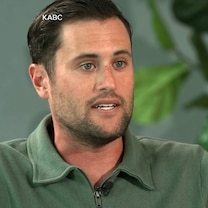
For their second rebuttal witness, prosecutors called forensic psychologist Kirk Heilbrun to testify about his evaluation of Lindsay Clancy.
Heilbrun, who told jurors he met with Clancy four times this year and reviewed her medical records and clinicians' notes, testified that Clancy suffered from the side effects of the medications she was prescribed and that her medical providers disagreed on her diagnosis.
Heilbrun also testified that he believed Clancy suffered from bipolar II disorder, but testified that he did not observe manic episodes.
This was one of several competing assessments detailed by prosecutors and defense lawyers, with prosecutors pushing back on the bipolar diagnosis and defense lawyers arguing Clancy suffered from bipolar disorder with postpartum psychosis.
Heilbrun testified that Clancy began taking Zoloft, an antidepressant used to treat major depressive disorder, in October 2022, just a few months before she killed her children, at which point "things started getting very difficult."
Heilbrun told jurors that Clancy's anxiety got measurably worse after taking the medication and she continued to suffer from insomnia.
"Late in November [2022], she was still having a lot of trouble sleeping. She thought that she was close to what she called the end of her rope. She was feeling off and disconnected and sort of like a zombie," he testified.
He testified that Clancy began to suffer "horrible intrusive thoughts" in December 2022 -- the month before the killings -- including thoughts of potentially harming her children.
However, Heilbrun testified that Clancy's intrusive thoughts were not "auditory hallucinations" as alleged by defense lawyers.
Heilbrun also told jurors that Clancy had "a small shred of hope" following a brief inpatient stay in January 2023, but that her conditions eventually worsened.
"Over the course of the time that she was going through these experiences, between mid-October [2022] and late January [2023], she'd had a lot of providers offer a lot of diagnoses, and there were a lot of complicating considerations," he testified.